
Setting boundaries: High-performance ceramics through improved grain boundaries
Dübendorf, 23.04.2026 — Ceramic materials are highly versatile and are used in numerous fields, including medicine, mechanical engineering, and electronics. To further improve them and specifically control and tune their properties, Empa researchers are not only taking a close look at the raw materials and manufacturing processes, but also at their microscopic structure. In an SNSF-funded research project, they are investigating so-called grain boundaries.
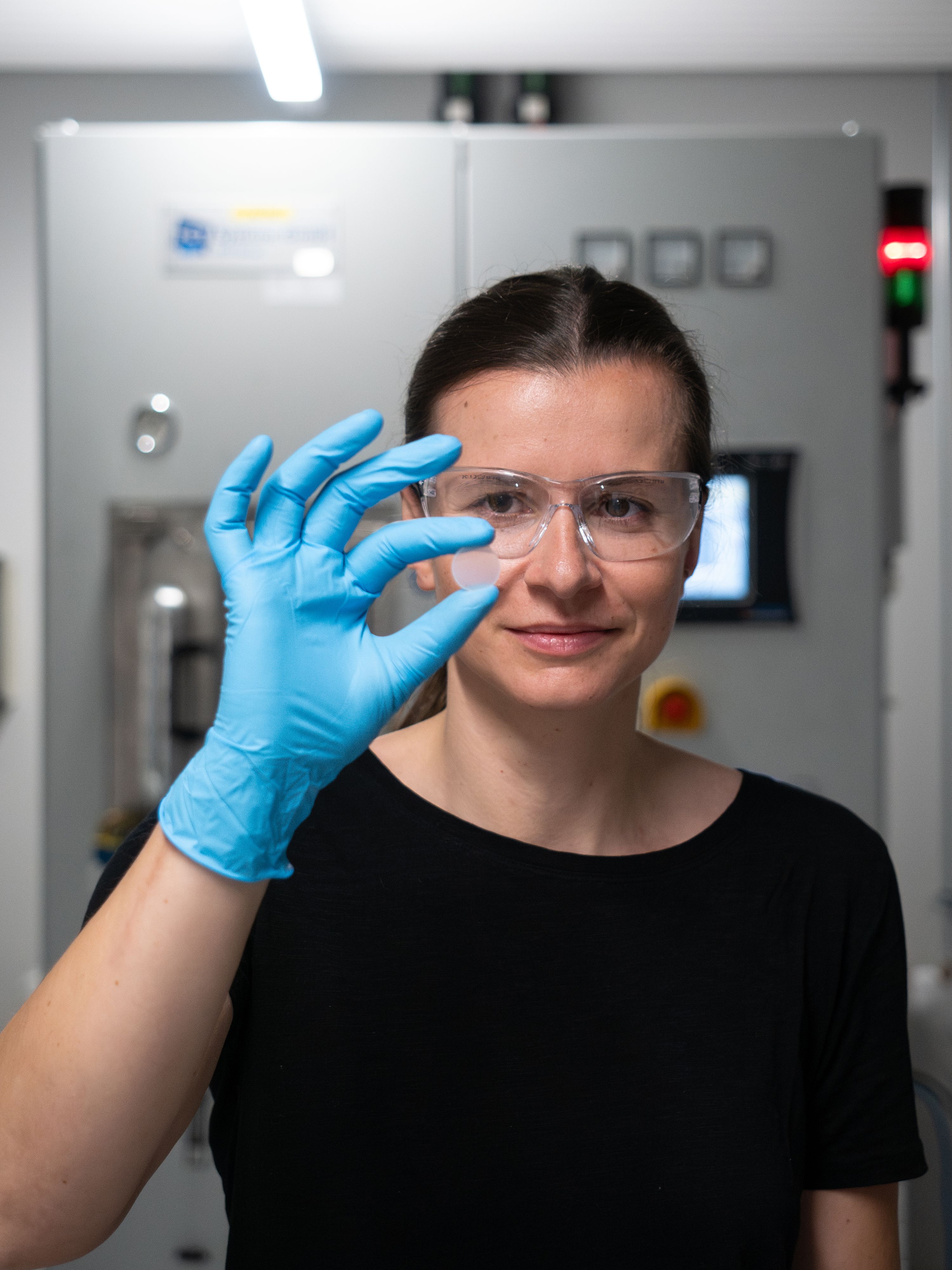
Anyone who has ever dabbled in pottery knows the process. Take clay or loam – a mixture of fine mineral particles and water – and shape it into a raw “green body”. The green body is dried and then fired at high temperatures. What was once malleable and fragile comes out of the kiln hard and durable: a ceramic.
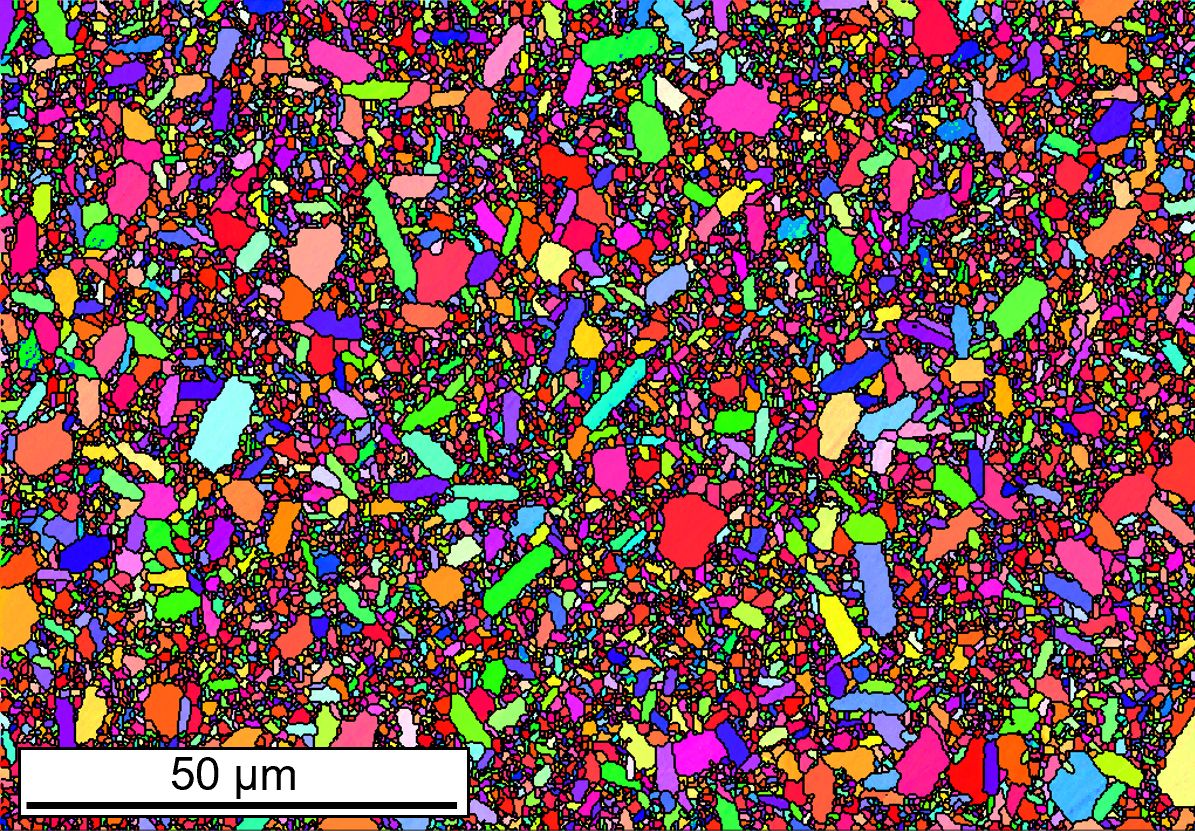
Similar processing steps that artists and artisans use to craft pots and dishes are also used in the production of technical ceramics. Here, too, a green body is formed from fine particles – the grains. When the green body is fired, or sintered, to use the technical term, the grains fuse together to form a continuous material.
While aesthetics are paramount in everyday ceramics, technical ceramics are all about material properties. Every step of the process is precisely controlled. Different starting materials, grain sizes, and sintering processes enable materials scientists to develop tailor-made high-performance ceramics for all kinds of applications, from mechanical engineering to medicine. “It is already well understood how the size and density of the grains and the type of sintering process affect the material properties,” says Empa researcher Michael Stuer, group leader in the High Performance Ceramics laboratory. In a project supported by the Swiss National Science Foundation (SNSF), Stuer and his team are therefore focusing not on the grains themselves, but on what lies between them: the so-called grain boundaries.
Although the individual grains in sintered ceramics can no longer be separated from one another, they remain distinct in the material: microscopic crystalline “pieces” that lie close together. Wherever two grains meet, an interface is created. Since grain boundaries differ physically and chemically from the grains themselves, they are of particular interest to materials science. They can either contribute to faults or produce desirable properties.
Unlimited possibilities
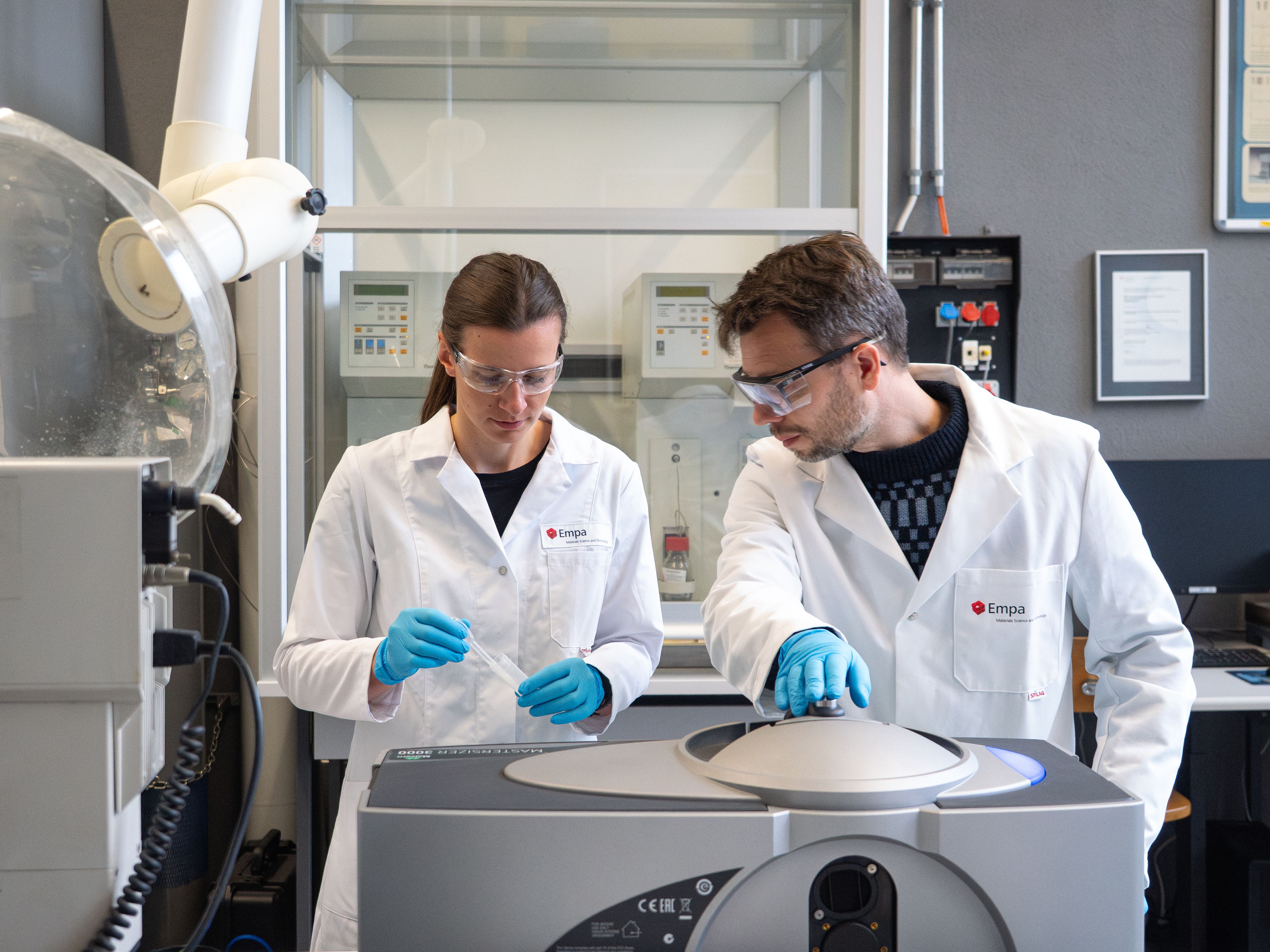
Research into grain boundaries in polycrystalline ceramics is still a young discipline. With sizes in the nanometer range and enclosed by the actual grains, the boundaries are difficult to measure and characterize. “In the past, bicrystals were produced and examined, i.e., only two grains stuck together,” explains Stuer. “We now want to see to what extent the findings from these basic studies can be applied to polycrystalline materials as used in the real world.”
The research project is ambitious. The geometry of grain boundaries in and by itself is highly complex: Depending on how the grains are spatially arranged in relation to each other, different types of interfaces are created. Moreover, grain boundaries can have diverse chemical and structural properties. “The possibilities are virtually endless,” says Empa researcher Annalena Erlacher.
To bring some order to this diversity, Erlacher works with aluminum oxide. Ceramics based on this mineral are very common and have been extensively studied. This allows researchers to focus on the still little-known influences of grain boundaries. In the future, their findings can also be applied to other ceramics. “We want to develop grain boundary engineering: a tool that can be used to control the material properties of ceramics,” says Stuer.
To this end, Erlacher is first investigating how targeted doping with rare-earth elements affects grain boundaries. She then plans to examine different grain sizes and gain a better understanding of the influence of pressure during sintering. In addition, the Empa researchers want to establish collaborations in this young field in order to help technical ceramics reach new heights thanks to grain boundary engineering. “By specifically manipulating grain boundaries, it would be possible to control the mechanical and optical properties of ceramics,” says Stuer. With aluminum oxide alone, this would open up new or improved applications in optics, microelectronics, and medicine.
Informations
Dr. Michael Stuer
High Performance Ceramics
Phone: +41 58 765 41 83
michael.stuer@empa.ch
Annalena Erlacher
High Performance Ceramics
Phone: +41 58 765 46 06
annalena.erlacher@empa.ch